
From Bangkok’s temples and markets to the beaches of Phuket and Krabi, Thailand is a top holiday choice for travellers from Pakistan — and thanks to its online e-Visa, applying is more convenient than ever. Here’s your complete guide to the Thailand tourist visa for Pakistani passport holders in 2026.

You’ll need a tourist visa
Pakistani passport holders are not eligible for Thailand’s visa exemption, so you need a visa for every visit. For holidays and sightseeing, that’s the tourist visa, now issued through Thailand’s official e-Visa system. The best part: you don’t have to submit your physical passport — the whole application is done online with document scans.
How to apply
- Create an account on the Thai e-Visa portal
- Complete the online application
- Upload passport scan & photo
- Add flights, hotel & funds proof
- Pay the fee online
- Receive the e-Visa by email
You apply on Thailand’s official e-Visa website. Applicants across Pakistan — from Islamabad, Lahore, Karachi and other cities — can also route applications to the Royal Thai Embassy in Islamabad, including through authorised drop-box services. Processing usually takes about 3–5 working days.
Fees, stay and validity
The tourist e-Visa fee is around US$40 for single entry, and a Thai tourist visa typically permits a stay of up to 60 days. Your passport must be valid for at least six months and have two blank pages. Because it’s an e-Visa, only high-quality scans are needed — there’s no need to hand over your passport during the application.
Documents to prepare
- Passport valid 6+ months
- Recent photograph
- Confirmed return flights
- Hotel booking
- Bank statements / proof of funds
- Employment or business proof
Frequently asked questions
Can I get visa-on-arrival? Pakistani passport holders should arrange the e-Visa in advance rather than rely on arrival options. How long can I stay? A tourist visa typically allows up to 60 days. Do I send my passport? No — the e-Visa uses scans, so your passport stays with you.
Thailand is a wonderfully easy trip once the visa is done right. If you’d like help preparing your e-Visa application and getting your documents in order, we’re happy to guide you.
Choosing the right Thai visa
For a holiday, the single-entry tourist visa is what most travellers from Pakistan need — it covers sightseeing and leisure for up to 60 days. Thailand also offers other categories (such as multiple-entry tourist options and longer-stay visas) for specific needs, but for a standard trip the single-entry tourist e-Visa is the simplest and most affordable choice. Pick the option that matches your actual travel plan rather than over-applying.
On arrival and immigration
When you land in Bangkok, Phuket or another Thai airport, immigration may ask for proof that you can support your stay — commonly a return ticket, confirmed accommodation and evidence of funds. Having these ready (printed or on your phone) makes entry quick and stress-free. Keep a copy of your e-Visa approval accessible too.
- Carry return ticket & hotel booking
- Keep proof of funds ready
- Have your e-Visa copy on hand
- Note your permitted stay
Tips for a smooth trip
Apply a couple of weeks before travel so processing and any document requests don’t rush you. Make sure your passport has at least six months’ validity and two blank pages, and that your scans are clear. Book refundable flights and hotels until your visa is approved, and never overstay your permitted days — Thailand fines overstays daily. Simple preparation keeps your holiday exactly that: a holiday.
Planning to travel this year?
Reloaded Visa prepares your complete file and guides you at every step. Free consultation — no obligation.
Malaysia is one of the easier and more affordable international destinations for travellers from Pakistan — think Kuala Lumpur’s skyline, Langkawi’s beaches and a warm, family-friendly welcome. Here’s a complete guide to the Malaysia visit visa for Pakistani passport holders in 2026.
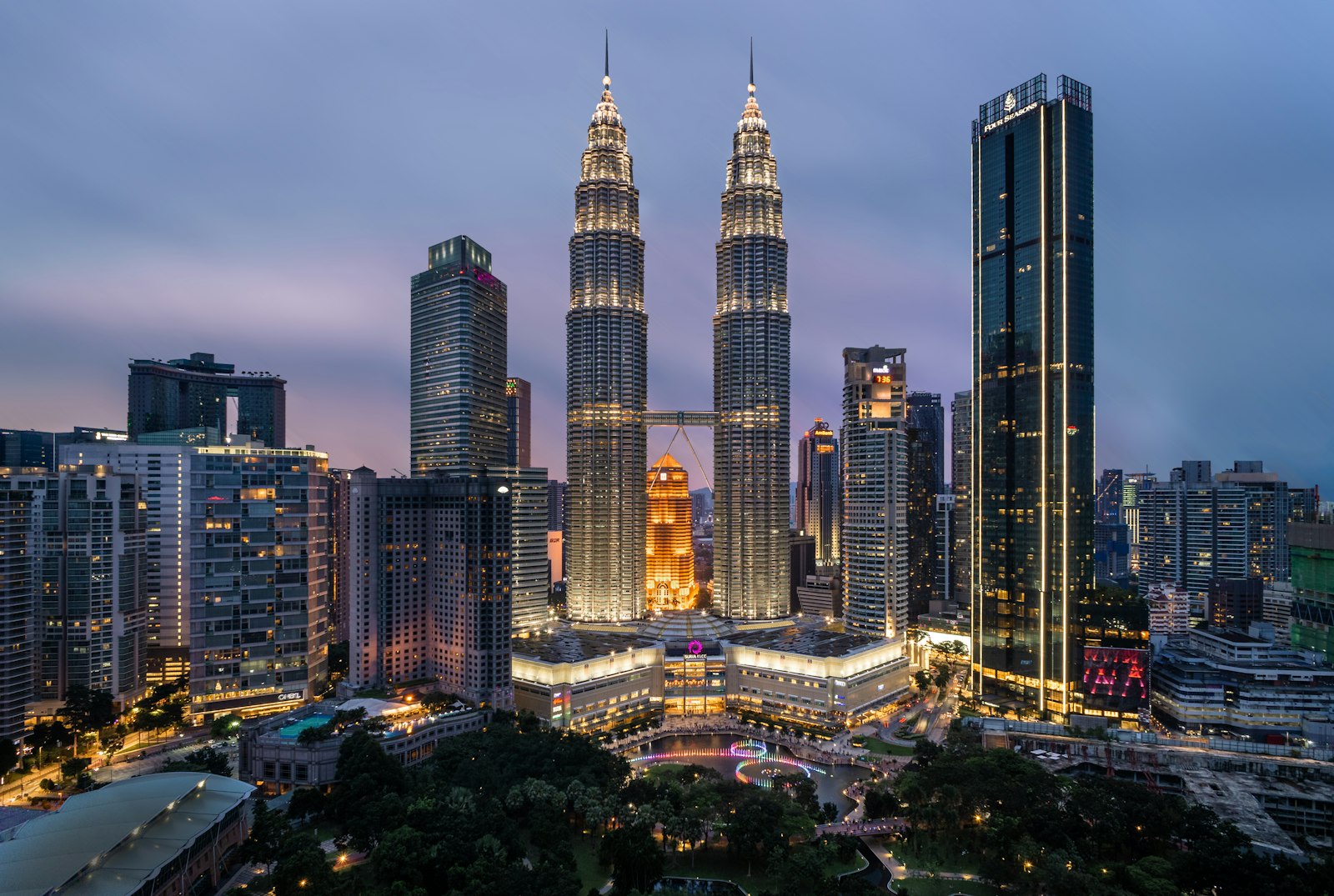
You’ll need an eVisa
Pakistani passport holders must obtain a visa before travelling to Malaysia — there is no visa-on-arrival, and the eNTRI facility is not available for Pakistani nationals. The good news is that the main route, the Malaysia eVisa, is entirely online: no embassy visit is required, and your approved visa arrives by email.
Tourism and business visits
The eVisa covers both leisure and short business visits. For tourism, it’s straightforward — you show your travel plans and funds. For a business visit (meetings, conferences), an invitation letter from the Malaysian company you’re dealing with strengthens the application. In both cases the visa is for a temporary visit, not for work.
How to apply
- Apply online at the official eVisa portal
- Upload passport & photo
- Add flights & accommodation proof
- Attach bank statements
- Pay the fee online
- Receive the eVisa by email
The whole process runs through Malaysia’s official eVisa website. Once your documents are uploaded and the fee is paid, processing typically takes about 3–5 working days.
Stay period and validity
The eVisa allows a stay of up to 30 days, and it is valid for 90 days from the date of issue — meaning you must enter and complete your visit within that window. Plan your travel dates accordingly so the visa doesn’t expire before your trip.
Documents to prepare
- Passport valid 6+ months
- White-background photo
- Confirmed return flights
- Hotel booking / accommodation
- Bank statements (6 months)
- Employment or business proof
Frequently asked questions
Is there visa-on-arrival for Pakistanis? No — you must arrange the eVisa before you fly. How much bank balance do I need? There’s no fixed figure, but around PKR 200,000 held steadily for six months is a common benchmark. Can I extend my stay? The eVisa is for up to 30 days; plan your trip within that limit.
Malaysia is one of the smoothest visas to get right when your paperwork is complete. If you’d like us to prepare and review your eVisa application, we’ll make sure it’s done properly the first time.
Why applications get delayed or refused
Malaysia’s eVisa is usually smooth, but avoidable slip-ups cause most problems: blurry document scans, a photo that doesn’t meet the white-background rule, a passport with under six months’ validity, or bank statements that look thin or inconsistent. Because the process is online, the quality of your uploads really matters — clear, complete documents get clean approvals. Double-check everything before you submit.
- Upload clear, full-page scans
- Use a compliant photo
- Show steady 6-month funds
- Match details across documents
Travelling with family
If you’re travelling with your spouse and children, each traveller needs their own eVisa, and you should include documents linking the family — such as the Family Registration Certificate (FRC) and children’s documents. Showing that the whole family has strong reasons to return to Pakistan, and enough combined funds for the trip, makes a family application convincing.
On arrival in Malaysia
Even with an approved eVisa, immigration at Kuala Lumpur can ask to see your return ticket, hotel booking and proof of funds — so keep them handy. Enter within the eVisa’s 90-day validity, stay within your 30-day limit, and you’ll breeze through. Malaysia is one of the most straightforward trips to plan once your paperwork is in order.
Planning to travel this year?
Reloaded Visa prepares your complete file and guides you at every step. Free consultation — no obligation.
With its mix of history, shopping and stunning coastline, Turkey (Türkiye) is one of the most popular holiday destinations for travellers from Pakistan. But the visa rules have a crucial catch that catches many people out. Here’s exactly how the Turkey visit visa works for Pakistani passport holders in 2026.

Two ways to get a Turkey visa
Pakistani passport holders need a visa to enter Turkey, and there are two possible routes: the quick online e-Visa, or a sticker visa obtained from the Turkish mission in Pakistan. Which one applies to you depends entirely on whether you already hold certain other visas.
The e-Visa — and its key condition
Turkey’s e-Visa is fast and fully online, but for Pakistani citizens it comes with one firm condition: you can only apply for it if you already hold a valid Schengen, USA, UK or Ireland visa or residence permit. If you do, you can get a single-entry e-Visa allowing a stay of up to 30 days. The e-Visa must be used within 180 days of issue, and there’s no physical sticker — it’s linked electronically to your passport.
The sticker visa route
If you don’t hold one of those supporting visas, you apply for a sticker (traditional) visa at the Turkish Embassy in Islamabad or the Consulate General in Karachi, typically via their appointment system. This route involves submitting your documents in person, providing biometrics, and waiting for the decision. It requires more preparation than the e-Visa, so start early — especially in the busy summer season.
How to apply for the e-Visa
- Go to the official e-Visa portal
- Enter passport & travel details
- Upload your supporting visa/permit
- Pay the fee online
- Receive the e-Visa by email
Fees and requirements
The e-Visa fee is around US$51. Your passport should be valid for at least six months beyond your stay and have a blank page. For either route, prepare confirmed flight and hotel bookings, proof of funds and travel insurance — these strengthen your case and are often requested.
Documents to prepare
- Passport valid 6+ months
- Supporting visa/permit (for e-Visa)
- Photographs (for sticker visa)
- Confirmed flights & hotel
- Bank statements
- Travel insurance
Frequently asked questions
Can any Pakistani get the Turkey e-Visa? Only those holding a valid Schengen, US, UK or Ireland visa/residence. Others need a sticker visa. Is the e-Visa multiple-entry? For Pakistani passports it is typically single-entry, 30 days. How long does the sticker visa take? It varies by season and consulate, so apply well in advance.
Turkey is very achievable with the right approach — the trick is knowing which route applies to you. Message us and we’ll confirm your eligibility and prepare your application the right way.
What you can do on a Turkey visit visa
The Turkey tourist visa is for leisure and short visits — sightseeing in Istanbul, Cappadocia and the coast, or seeing family and friends. It does not allow work or long-term stay. If your purpose is business (meetings or conferences), mention this clearly, as business visitors sometimes need additional supporting letters. Keep your trip within the permitted stay and you’ll have no issues re-applying in future.
Best time to apply and travel
Turkey is busiest from late spring through summer, when both flights and consulate appointments fill up. If you need the sticker-visa route, that demand can mean longer waits — so apply several weeks ahead of your travel date. For the e-Visa route, approval is quicker, but you still want your supporting Schengen/US/UK visa valid and your bookings confirmed before you apply.
- Apply weeks ahead in peak season
- Confirm flights & hotels first
- Keep your supporting visa valid
- Carry printouts when you travel
Common mistakes to avoid
The biggest error is assuming every Pakistani can get the quick e-Visa — you can’t, unless you hold that valid Schengen, US, UK or Ireland visa or residence permit. Others include letting the e-Visa’s 180-day usage window lapse, travelling with a passport that has under six months’ validity, or booking non-refundable flights before the visa is approved. Check each of these and your trip will go smoothly.
Planning to travel this year?
Reloaded Visa prepares your complete file and guides you at every step. Free consultation — no obligation.
Saudi Arabia is one of the most-visited destinations for Pakistanis — for family visits, business, and leisure tourism around cities like Riyadh, Jeddah and AlUla. If you’re planning a visit (outside of Umrah and Hajj, which use separate religious visas), here is how the Saudi visit visa works for Pakistani passport holders in 2026.
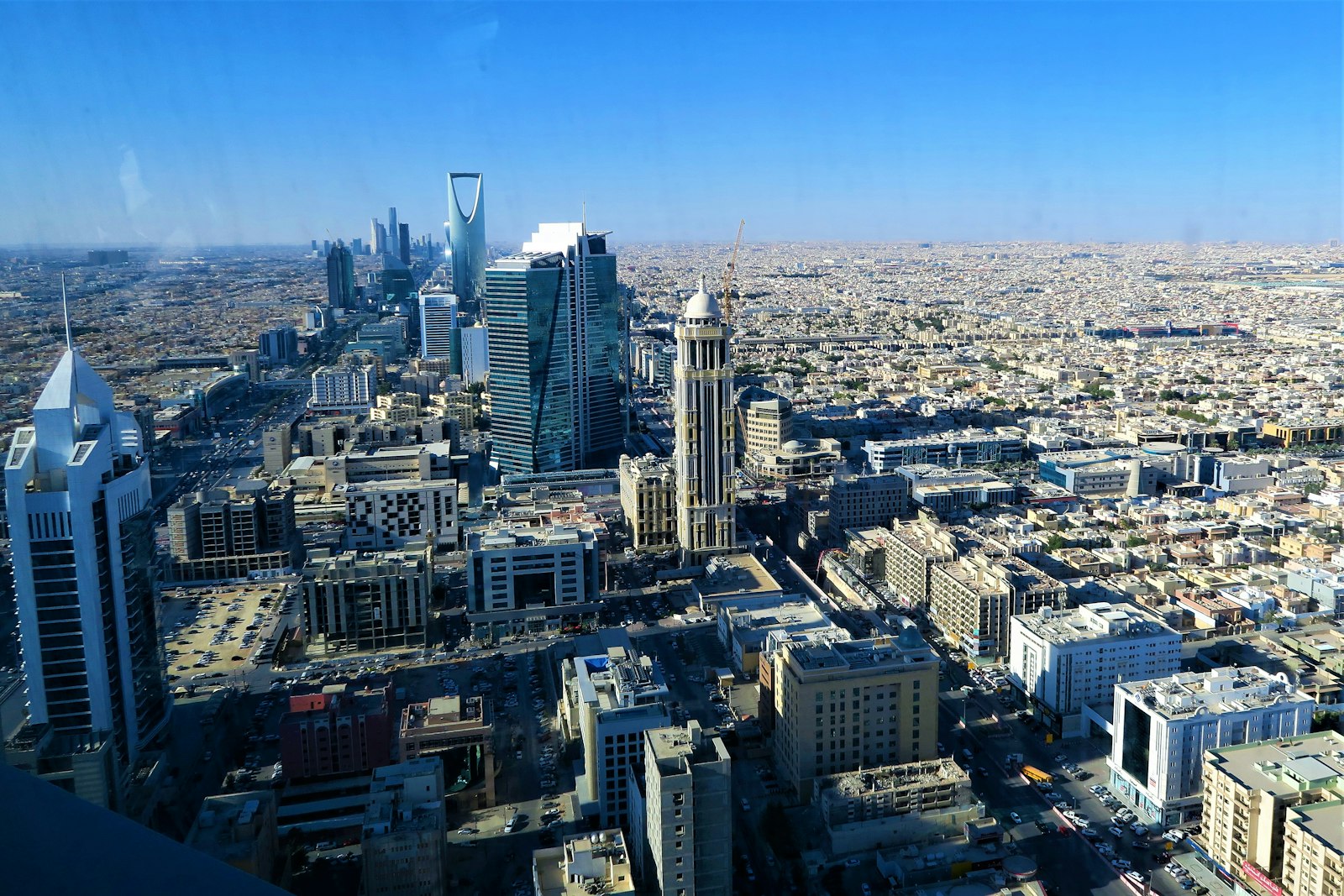
Tourist vs business visit visa
There are two main visit routes. The tourist visit visa is for leisure, sightseeing and visiting family and friends. The business visit visa is for meetings, conferences and professional visits, and requires an invitation from a licensed Saudi company, usually attested through the proper channels. Both let you enter for a temporary stay — they do not permit employment.
Important: the eVisa eligibility rule
This is the key point for Pakistani travellers. Pakistani passport holders are generally not eligible for Saudi Arabia’s instant online tourist eVisa on the passport alone. There is one important exception: if you hold a valid UK, US or Schengen visa or residence permit, you can usually obtain the eVisa online. Everyone else applies through the official Tasheer visa service centres, which include biometric enrolment.
How to apply
If you qualify for the eVisa (via a UK/US/Schengen visa or residence), you apply online and receive it by email. Otherwise, the route is:
- Prepare your documents
- Book an appointment at a Tasheer centre
- Give biometrics (fingerprints + photo)
- Submit your application & fee
- Collect the visa once approved
For a business visit, you’ll also need the invitation from your Saudi host company. For a family visit, an invitation from your relative in Saudi Arabia, along with their residency (Iqama) details, strengthens the application.
Fees, funds and processing
Government fees typically start from around SAR 300 (plus service charges), your passport should be valid for at least 6–8 months, and processing usually takes about 7–14 working days. You’ll also need to show sufficient funds — a common benchmark is evidence of steady income and savings to comfortably cover your stay.
Documents to prepare
- Passport valid 6–8 months
- Two white-background photos
- Bank statements / proof of funds
- Confirmed flight booking
- Hotel booking or host details
- Invitation (business or family)
Frequently asked questions
Is Umrah included in this visa? No — Umrah and Hajj use separate religious visas. This guide is for tourist and business visit visas. Can I get a multiple-entry visa? Not at present for Pakistani nationals — only single-entry is being issued. Do I need to visit in person? Usually yes, for biometrics at a Tasheer centre, unless you qualify for the online eVisa.
Saudi rules have shifted in recent years, so getting the current requirements right matters. If you’d like us to confirm your eligibility and prepare your visit-visa file correctly, just reach out.
Family visit vs tourist visit
Many Pakistanis travel to Saudi Arabia to see relatives working there. If that’s you, a visit supported by your relative’s invitation and their Iqama (residency) details can make the process smoother, and shows a clear, genuine purpose. A pure tourist visit, by contrast, leans more on your travel plan, hotel bookings and funds. Either way, being clear about your reason for travelling — and backing it with the right documents — is what makes an application strong.
Health and entry requirements
Requirements can change, so always check the latest before you fly. In the past, certain vaccinations (such as meningitis for some travellers) have been required or recommended, and travel insurance is often expected. Keep printed and digital copies of your visa, bookings and funds proof for the airport. A little preparation avoids surprises on arrival.
- Confirm current vaccination rules
- Carry travel insurance
- Keep visa & bookings printed
- Have proof of funds ready
Respect the single-entry and stay rules
Because only single-entry visas are currently issued to Pakistani nationals, plan your trip as one clean entry and exit — if you leave the Kingdom, the visa is used up. Note your permitted stay and don’t overstay; Saudi Arabia enforces overstay penalties, and a clean record keeps future travel simple. If your plans are complex, it’s worth confirming the details before you book.
Planning to travel this year?
Reloaded Visa prepares your complete file and guides you at every step. Free consultation — no obligation.
The United States remains the number-one dream destination for travellers from Pakistan — for business, tourism and visiting family. The visa you need is the B-1/B-2 visitor visa, a combined non-immigrant visa that covers both business visits and tourism. Here is a clear, up-to-date guide to how it works and how to give yourself the best chance of success.

B-1 vs B-2: which do you need?
The two categories are almost always issued together as a single B-1/B-2 visa, but they cover different purposes. The B-1 (business) visa is for attending meetings, conferences, trade shows, contract negotiations or short professional training — not for taking up employment. The B-2 (tourism) visa is for holidays, sightseeing, visiting family and friends, or medical treatment. Because most travellers do a bit of both over time, the combined B-1/B-2 is what the vast majority of applicants receive.
The golden rule: non-immigrant intent
Every US visitor-visa decision turns on one principle in US law known as Section 214(b): the officer assumes you intend to immigrate unless you prove otherwise. Your job at the interview is to show you are a genuine visitor with strong ties to Pakistan — a stable job or business, family, and property — and every reason to return. This, far more than any single document, decides your application.
How to apply, step by step
The US process is interview-based and entirely self-managed online. In outline:
- Complete the DS-160 form online
- Pay the MRV application fee
- Create a profile on ustraveldocs.com
- Book your interview appointment
- Attend the visa interview
- Collect your passport after approval
You will fill out the DS-160 at ceac.state.gov, pay the fee, and then schedule an interview at the US Embassy in Islamabad or the US Consulate General in Karachi. At the interview, a consular officer asks a few focused questions about your trip, your ties and your finances, and makes the decision — often the same day.
Fees and wait times
The MRV (application) fee is US$185, valid for 365 days once paid. When granted, a B-1/B-2 for Pakistani nationals is frequently issued as a multiple-entry visa valid for several years, with each stay decided at the airport (commonly up to six months). One thing to plan for: Pakistan is a high-volume post, so interview wait times can run into months — apply well ahead of any travel.
Documents to prepare
- Passport (valid 6+ months)
- DS-160 confirmation page
- MRV fee receipt
- Interview appointment letter
- Recent photograph
- Proof of funds & income
- Job / business documents
- Invitation letter (if visiting family)
Frequently asked questions
Can I apply for B-1 and B-2 separately? You don’t need to — the combined B-1/B-2 covers both business and tourism. How long can I stay? The officer at the port of entry sets your stay, often up to six months per visit. What if I was refused before? You can reapply, but you should address whatever raised doubt last time — usually weak ties or unclear purpose.
The US visa rewards honest, well-prepared applicants with a clear story. If you’d like help preparing your DS-160, organising your documents and getting interview-ready, we’re here to guide you through every step.
Why applications are refused — and how to avoid it
The most common US refusal is under Section 214(b) — the officer wasn’t convinced the applicant would return to Pakistan. It usually comes down to weak ties, unclear purpose, or finances that don’t add up. The fix is not a thicker file; it’s a clearer story. Be ready to explain, in one or two sentences, why you’re going, how long for, who is paying, and what you’re coming back to — your job or business, your family, your home. Consistency between your DS-160, your answers and your documents is what builds trust.
Preparing for the interview
The interview is short — often just a few questions — so first impressions count. Dress smartly, arrive early, and keep your answers honest and to the point. Don’t memorise a script; officers can tell. Know your own itinerary and finances well enough to answer naturally. If you’re visiting family, know who they are and their status in the US. If it’s business, know the company and the purpose of your meetings. Calm, clear, consistent answers do more for you than any single document.
- Arrive early and organised
- Answer honestly and briefly
- Know your trip and finances
- Keep documents neat but ready
After approval
If approved, your passport is returned with the visa, usually within a few days — though some cases go into short additional “administrative processing.” Remember that the visa lets you travel to a US port of entry; the officer there sets your actual permitted stay. Keep your visits genuine and within your allowed time, and each future trip becomes easier.
Planning to travel this year?
Reloaded Visa prepares your complete file and guides you at every step. Free consultation — no obligation.
Australia attracts Pakistani travellers for family visits, tourism and business across Sydney, Melbourne, Brisbane and Perth. Most visitors apply for the Visitor visa (subclass 600). Here’s a clear overview.
How to apply
Applications are lodged online through an ImmiAccount on the Department of Home Affairs website. You complete the forms, upload documents, and pay the visa fee. Biometrics or a health check may be requested depending on your case.
What you can do on a subclass 600
- Visit family and friends
- Tourism and sightseeing
- Business visitor activities (meetings, conferences)
Stay periods of 3, 6 or 12 months may be granted per entry, at the discretion of the case officer.
Documents to prepare
- Passport valid for your stay
- Bank statements (6 months) and proof of funds
- Employment / NOC or business documents
- Cover letter and travel itinerary
- Invitation and sponsor documents for family visits
- Evidence of ties to Pakistan (job, property, family)
Health & character requirements
Australia has clear health and character requirements. Meeting them, and showing genuine intent to visit temporarily, is essential. A carefully prepared file that addresses these points gives you the strongest chance.
Need help with your Australia visitor visa application?
Reloaded Visa prepares your complete file and guides you at every step. Get a free consultation today.
Canada is a favourite destination for Pakistani travellers visiting family, exploring cities like Toronto, Vancouver and Calgary, or attending events. Most visitors need a Temporary Resident Visa (TRV), also called a visitor visa. Here’s how it works.
Step 1 — Apply online
Applications are made online through the official IRCC portal. You’ll create an account, complete the forms, and upload your documents.
Step 2 — Give biometrics
After applying, you’ll book and attend a biometrics appointment at a VFS Global centre in Pakistan.
Step 3 — Documents to prepare
- Passport valid for your intended stay
- Bank statements (6 months) and proof of funds
- Employment letter / NOC or business proof
- Purpose-of-travel letter and travel itinerary
- Invitation letter and host documents (for family visits)
- Property/asset documents and strong ties to Pakistan
Step 4 — Decision
Processing times vary and can take several weeks, so apply early. If approved, a visa is issued that can be valid for multiple entries, often up to the passport’s validity.
What officers look for
Canadian visa officers want to see that you have genuine reasons to visit and strong reasons to return — a stable job or business, family, property and sufficient funds. A clear, honest and well-documented file makes all the difference.
Need help with your Canada visitor visa application?
Reloaded Visa prepares your complete file and guides you at every step. Get a free consultation today.
The UAE — Dubai and Abu Dhabi — is one of the most popular and accessible destinations for Pakistani travellers: tourism, shopping, business and family visits, all just a short flight away. Here’s what you need to know.
How the UAE visit visa works
The UAE tourist visa is issued electronically (e-visa), usually sponsored by an airline, a hotel, or a licensed travel agent. You do not need to visit an embassy — the approved visa is sent by email and linked to your passport.
Types of visit visa
- 30-day single or multiple entry
- 60-day single or multiple entry
- Longer tourist and multi-entry options are also available
Documents required
- Clear colour scan of your passport (valid 6+ months) bio-page
- Recent passport-size photograph with white background
- Confirmed return flight ticket
- Hotel booking or host details, where applicable
- Proof of funds may be requested in some cases
Processing time & cost
UAE e-visas are typically processed within 3–5 working days (express options can be faster). Fees vary by visa duration and type. We’ll confirm the current cost for your chosen visa when you contact us.
A few tips
Make sure your passport scan is clear and your photo meets the specification — blurry documents are the most common reason for delays. Once approved, print your e-visa and carry it with you when you travel.
Need help with your UAE / Dubai visit visa application?
Reloaded Visa prepares your complete file and guides you at every step. Get a free consultation today.