
A strong cover letter — sometimes called a letter of purpose or invitation cover — is one of the most powerful documents in a visa application, and one of the most overlooked. It is your chance to speak directly to the visa officer, tie all your documents together, and explain, in plain language, exactly why you should be trusted as a genuine visitor. Here is how to write one that helps get you approved.

Why the cover letter matters
Visa officers review hundreds of files. A clear cover letter makes yours easy to understand and quick to trust. It answers the questions running through the officer’s mind before they have to go looking: Who is this person? Why are they travelling? Can they afford it? Will they come back? When those answers are laid out simply and match your supporting documents, your whole application feels credible.
What to include, step by step
A good cover letter is short — usually one page — and follows a logical order. Cover these points:
- Your full name and passport details
- The purpose of your trip
- Exact travel dates and duration
- Your itinerary and where you’ll stay
- How the trip is being funded
- Your ties to Pakistan
- A clear promise to return
Open by introducing yourself and stating the visa you’re applying for. Then explain your purpose — tourism, a family visit, or business — with any relevant detail (an event, an invitation, a conference). Give your dates and a brief itinerary, state clearly who is paying for the trip, and finish by describing what you are coming back to: your job or business, your family, your home.
A simple structure that works
Think of it in five short paragraphs: introduction, purpose, travel plan, finances, and ties plus your commitment to return. Keep each paragraph to a few sentences. You are not writing an essay — you are making it effortless for the officer to say yes.
Do’s and don’ts
Do keep it honest, specific and professional. Do sign and date it. Do tailor it to your actual trip. Don’t exaggerate, don’t copy a generic template word-for-word, and don’t beg or over-explain. Confidence and clarity read far better than desperation.
- Do keep it to one page
- Do use simple, honest language
- Do match every detail to your file
- Don’t use an obvious template
- Don’t include false claims
- Don’t leave the purpose vague
Common mistakes to avoid
The most frequent errors are vagueness (“I want to visit for some days”), inconsistency with the rest of the file, and an emotional tone that pleads rather than informs. Another is forgetting the most important line of all — a clear statement that you will return to Pakistan at the end of your visit, and why. That single sentence, backed by evidence, addresses the officer’s biggest concern head-on.
Frequently asked questions
Is a cover letter compulsory? Not always, but it is highly recommended — it can only strengthen a genuine application. Should it be handwritten or typed? Typed, printed and signed looks most professional. How long should it be? One page is ideal; two at most for complex cases.
A great cover letter turns a pile of documents into a clear, believable story. If you’d like us to draft or review your cover letter and make sure it matches the rest of your file, we’re here to help.
A sample opening you can adapt
You don’t need fancy language — just clarity. An opening might read: “I am writing to apply for a visitor visa to [country] to [visit family / for tourism / attend a business meeting] from [date] to [date]. My name is [full name], holder of Pakistani passport number [xxx], and I work as [job] at [employer] in [city].” From there you move into purpose, itinerary, funding and ties. Keep the tone calm and factual throughout, and always write in the first person.
Tailor it to your visa type
A tourism letter focuses on your itinerary and what you plan to see. A family-visit letter names your host, their status in the country, and your relationship. A business letter references the inviting company, the meeting or event, and who is bearing the costs. Matching the letter to your real purpose — and to the invitation or bookings in your file — makes it far more convincing than a one-size-fits-all note.
- Tourism: itinerary & highlights
- Family: host details & relationship
- Business: company, event & costs
- All: dates, funding & return plan
Planning to travel this year?
Reloaded Visa prepares your complete file and guides you at every step. Free consultation — no obligation.
From Bangkok’s temples and markets to the beaches of Phuket and Krabi, Thailand is a top holiday choice for travellers from Pakistan — and thanks to its online e-Visa, applying is more convenient than ever. Here’s your complete guide to the Thailand tourist visa for Pakistani passport holders in 2026.

You’ll need a tourist visa
Pakistani passport holders are not eligible for Thailand’s visa exemption, so you need a visa for every visit. For holidays and sightseeing, that’s the tourist visa, now issued through Thailand’s official e-Visa system. The best part: you don’t have to submit your physical passport — the whole application is done online with document scans.
How to apply
- Create an account on the Thai e-Visa portal
- Complete the online application
- Upload passport scan & photo
- Add flights, hotel & funds proof
- Pay the fee online
- Receive the e-Visa by email
You apply on Thailand’s official e-Visa website. Applicants across Pakistan — from Islamabad, Lahore, Karachi and other cities — can also route applications to the Royal Thai Embassy in Islamabad, including through authorised drop-box services. Processing usually takes about 3–5 working days.
Fees, stay and validity
The tourist e-Visa fee is around US$40 for single entry, and a Thai tourist visa typically permits a stay of up to 60 days. Your passport must be valid for at least six months and have two blank pages. Because it’s an e-Visa, only high-quality scans are needed — there’s no need to hand over your passport during the application.
Documents to prepare
- Passport valid 6+ months
- Recent photograph
- Confirmed return flights
- Hotel booking
- Bank statements / proof of funds
- Employment or business proof
Frequently asked questions
Can I get visa-on-arrival? Pakistani passport holders should arrange the e-Visa in advance rather than rely on arrival options. How long can I stay? A tourist visa typically allows up to 60 days. Do I send my passport? No — the e-Visa uses scans, so your passport stays with you.
Thailand is a wonderfully easy trip once the visa is done right. If you’d like help preparing your e-Visa application and getting your documents in order, we’re happy to guide you.
Choosing the right Thai visa
For a holiday, the single-entry tourist visa is what most travellers from Pakistan need — it covers sightseeing and leisure for up to 60 days. Thailand also offers other categories (such as multiple-entry tourist options and longer-stay visas) for specific needs, but for a standard trip the single-entry tourist e-Visa is the simplest and most affordable choice. Pick the option that matches your actual travel plan rather than over-applying.
On arrival and immigration
When you land in Bangkok, Phuket or another Thai airport, immigration may ask for proof that you can support your stay — commonly a return ticket, confirmed accommodation and evidence of funds. Having these ready (printed or on your phone) makes entry quick and stress-free. Keep a copy of your e-Visa approval accessible too.
- Carry return ticket & hotel booking
- Keep proof of funds ready
- Have your e-Visa copy on hand
- Note your permitted stay
Tips for a smooth trip
Apply a couple of weeks before travel so processing and any document requests don’t rush you. Make sure your passport has at least six months’ validity and two blank pages, and that your scans are clear. Book refundable flights and hotels until your visa is approved, and never overstay your permitted days — Thailand fines overstays daily. Simple preparation keeps your holiday exactly that: a holiday.
Planning to travel this year?
Reloaded Visa prepares your complete file and guides you at every step. Free consultation — no obligation.
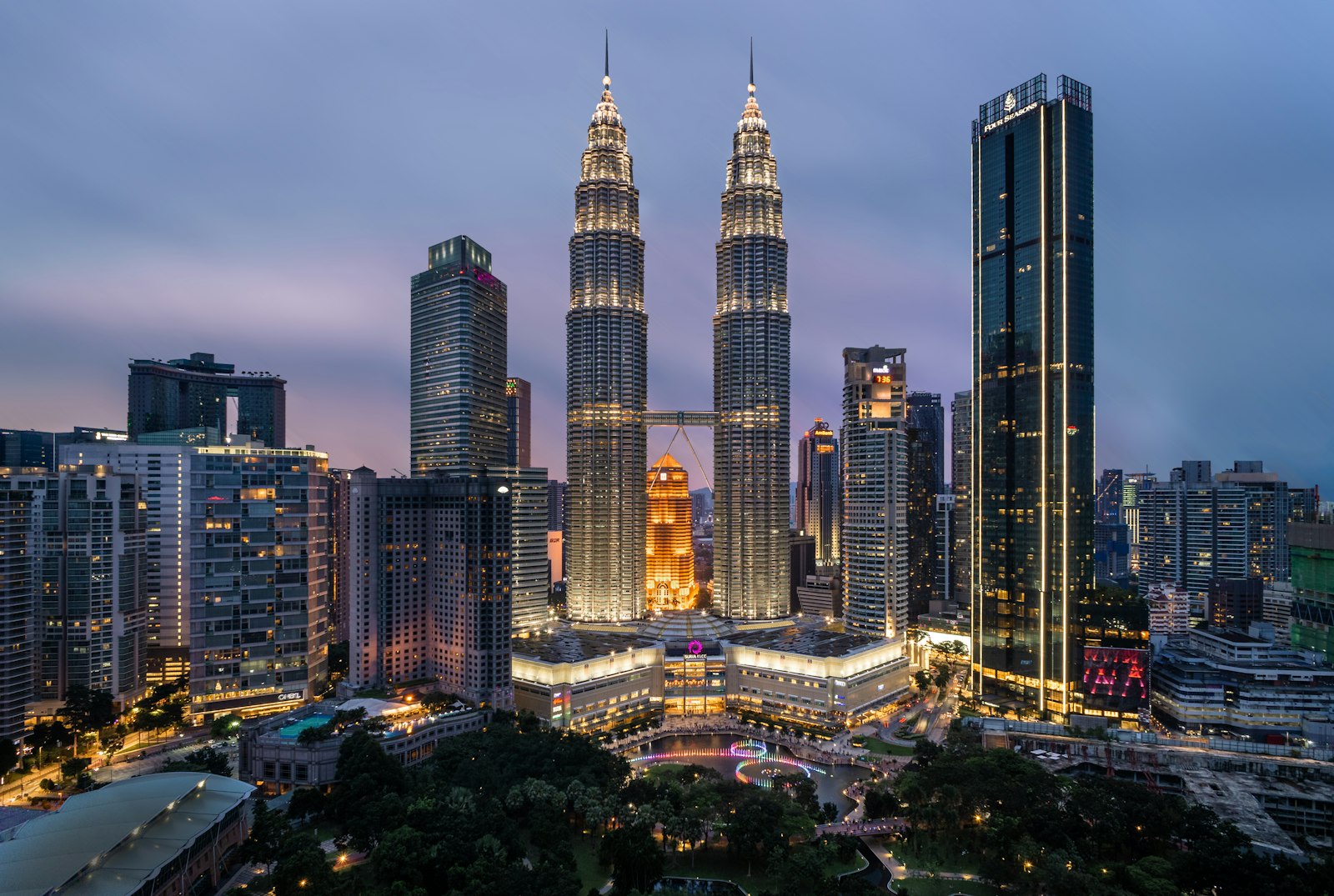
Malaysia is one of the easier and more affordable international destinations for travellers from Pakistan — think Kuala Lumpur’s skyline, Langkawi’s beaches and a warm, family-friendly welcome. Here’s a complete guide to the Malaysia visit visa for Pakistani passport holders in 2026.
You’ll need an eVisa
Pakistani passport holders must obtain a visa before travelling to Malaysia — there is no visa-on-arrival, and the eNTRI facility is not available for Pakistani nationals. The good news is that the main route, the Malaysia eVisa, is entirely online: no embassy visit is required, and your approved visa arrives by email.
Tourism and business visits
The eVisa covers both leisure and short business visits. For tourism, it’s straightforward — you show your travel plans and funds. For a business visit (meetings, conferences), an invitation letter from the Malaysian company you’re dealing with strengthens the application. In both cases the visa is for a temporary visit, not for work.
How to apply
- Apply online at the official eVisa portal
- Upload passport & photo
- Add flights & accommodation proof
- Attach bank statements
- Pay the fee online
- Receive the eVisa by email
The whole process runs through Malaysia’s official eVisa website. Once your documents are uploaded and the fee is paid, processing typically takes about 3–5 working days.
Stay period and validity
The eVisa allows a stay of up to 30 days, and it is valid for 90 days from the date of issue — meaning you must enter and complete your visit within that window. Plan your travel dates accordingly so the visa doesn’t expire before your trip.
Documents to prepare
- Passport valid 6+ months
- White-background photo
- Confirmed return flights
- Hotel booking / accommodation
- Bank statements (6 months)
- Employment or business proof
Frequently asked questions
Is there visa-on-arrival for Pakistanis? No — you must arrange the eVisa before you fly. How much bank balance do I need? There’s no fixed figure, but around PKR 200,000 held steadily for six months is a common benchmark. Can I extend my stay? The eVisa is for up to 30 days; plan your trip within that limit.
Malaysia is one of the smoothest visas to get right when your paperwork is complete. If you’d like us to prepare and review your eVisa application, we’ll make sure it’s done properly the first time.
Why applications get delayed or refused
Malaysia’s eVisa is usually smooth, but avoidable slip-ups cause most problems: blurry document scans, a photo that doesn’t meet the white-background rule, a passport with under six months’ validity, or bank statements that look thin or inconsistent. Because the process is online, the quality of your uploads really matters — clear, complete documents get clean approvals. Double-check everything before you submit.
- Upload clear, full-page scans
- Use a compliant photo
- Show steady 6-month funds
- Match details across documents
Travelling with family
If you’re travelling with your spouse and children, each traveller needs their own eVisa, and you should include documents linking the family — such as the Family Registration Certificate (FRC) and children’s documents. Showing that the whole family has strong reasons to return to Pakistan, and enough combined funds for the trip, makes a family application convincing.
On arrival in Malaysia
Even with an approved eVisa, immigration at Kuala Lumpur can ask to see your return ticket, hotel booking and proof of funds — so keep them handy. Enter within the eVisa’s 90-day validity, stay within your 30-day limit, and you’ll breeze through. Malaysia is one of the most straightforward trips to plan once your paperwork is in order.
Planning to travel this year?
Reloaded Visa prepares your complete file and guides you at every step. Free consultation — no obligation.
With its mix of history, shopping and stunning coastline, Turkey (Türkiye) is one of the most popular holiday destinations for travellers from Pakistan. But the visa rules have a crucial catch that catches many people out. Here’s exactly how the Turkey visit visa works for Pakistani passport holders in 2026.

Two ways to get a Turkey visa
Pakistani passport holders need a visa to enter Turkey, and there are two possible routes: the quick online e-Visa, or a sticker visa obtained from the Turkish mission in Pakistan. Which one applies to you depends entirely on whether you already hold certain other visas.
The e-Visa — and its key condition
Turkey’s e-Visa is fast and fully online, but for Pakistani citizens it comes with one firm condition: you can only apply for it if you already hold a valid Schengen, USA, UK or Ireland visa or residence permit. If you do, you can get a single-entry e-Visa allowing a stay of up to 30 days. The e-Visa must be used within 180 days of issue, and there’s no physical sticker — it’s linked electronically to your passport.
The sticker visa route
If you don’t hold one of those supporting visas, you apply for a sticker (traditional) visa at the Turkish Embassy in Islamabad or the Consulate General in Karachi, typically via their appointment system. This route involves submitting your documents in person, providing biometrics, and waiting for the decision. It requires more preparation than the e-Visa, so start early — especially in the busy summer season.
How to apply for the e-Visa
- Go to the official e-Visa portal
- Enter passport & travel details
- Upload your supporting visa/permit
- Pay the fee online
- Receive the e-Visa by email
Fees and requirements
The e-Visa fee is around US$51. Your passport should be valid for at least six months beyond your stay and have a blank page. For either route, prepare confirmed flight and hotel bookings, proof of funds and travel insurance — these strengthen your case and are often requested.
Documents to prepare
- Passport valid 6+ months
- Supporting visa/permit (for e-Visa)
- Photographs (for sticker visa)
- Confirmed flights & hotel
- Bank statements
- Travel insurance
Frequently asked questions
Can any Pakistani get the Turkey e-Visa? Only those holding a valid Schengen, US, UK or Ireland visa/residence. Others need a sticker visa. Is the e-Visa multiple-entry? For Pakistani passports it is typically single-entry, 30 days. How long does the sticker visa take? It varies by season and consulate, so apply well in advance.
Turkey is very achievable with the right approach — the trick is knowing which route applies to you. Message us and we’ll confirm your eligibility and prepare your application the right way.
What you can do on a Turkey visit visa
The Turkey tourist visa is for leisure and short visits — sightseeing in Istanbul, Cappadocia and the coast, or seeing family and friends. It does not allow work or long-term stay. If your purpose is business (meetings or conferences), mention this clearly, as business visitors sometimes need additional supporting letters. Keep your trip within the permitted stay and you’ll have no issues re-applying in future.
Best time to apply and travel
Turkey is busiest from late spring through summer, when both flights and consulate appointments fill up. If you need the sticker-visa route, that demand can mean longer waits — so apply several weeks ahead of your travel date. For the e-Visa route, approval is quicker, but you still want your supporting Schengen/US/UK visa valid and your bookings confirmed before you apply.
- Apply weeks ahead in peak season
- Confirm flights & hotels first
- Keep your supporting visa valid
- Carry printouts when you travel
Common mistakes to avoid
The biggest error is assuming every Pakistani can get the quick e-Visa — you can’t, unless you hold that valid Schengen, US, UK or Ireland visa or residence permit. Others include letting the e-Visa’s 180-day usage window lapse, travelling with a passport that has under six months’ validity, or booking non-refundable flights before the visa is approved. Check each of these and your trip will go smoothly.
Planning to travel this year?
Reloaded Visa prepares your complete file and guides you at every step. Free consultation — no obligation.
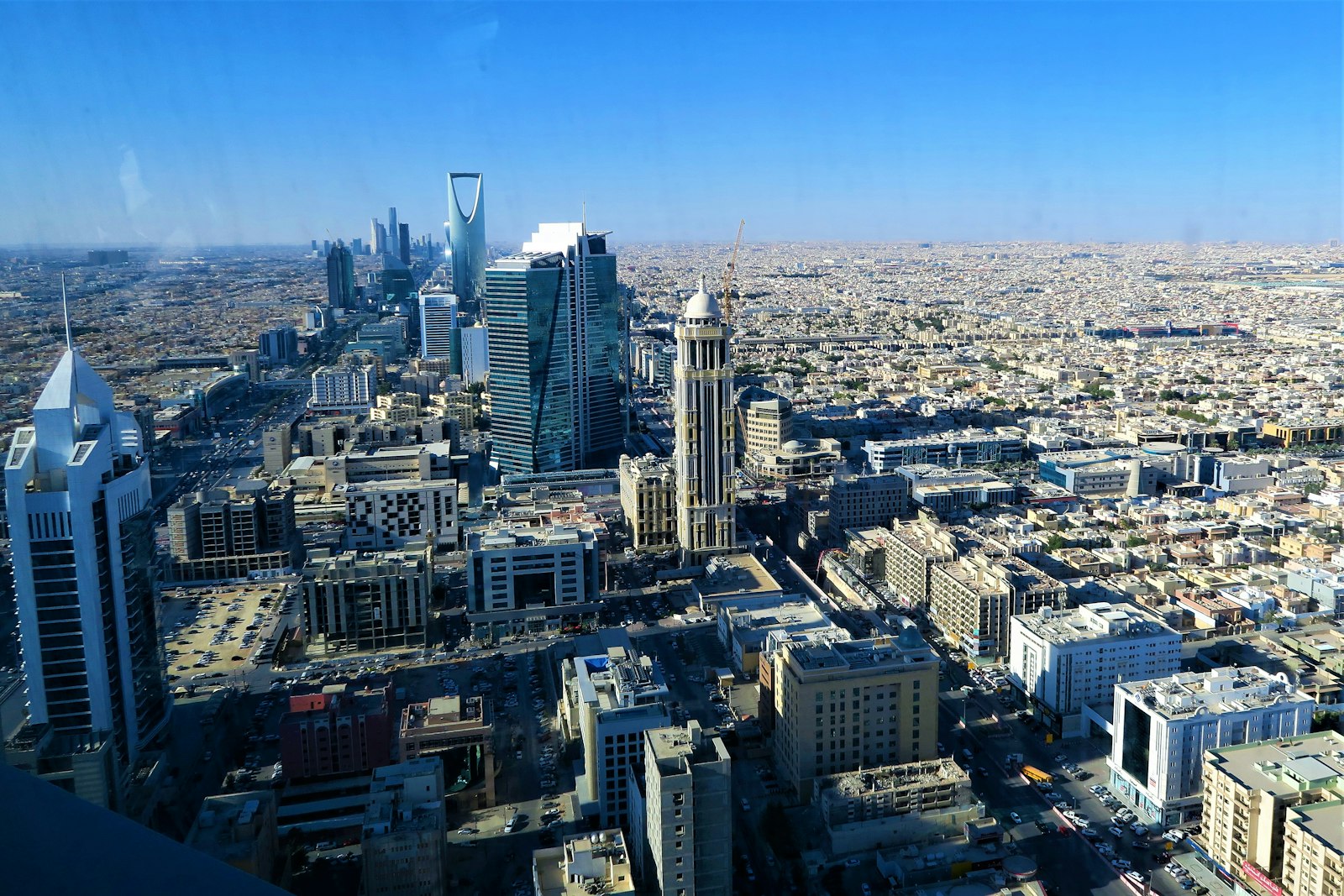
Saudi Arabia is one of the most-visited destinations for Pakistanis — for family visits, business, and leisure tourism around cities like Riyadh, Jeddah and AlUla. If you’re planning a visit (outside of Umrah and Hajj, which use separate religious visas), here is how the Saudi visit visa works for Pakistani passport holders in 2026.
Tourist vs business visit visa
There are two main visit routes. The tourist visit visa is for leisure, sightseeing and visiting family and friends. The business visit visa is for meetings, conferences and professional visits, and requires an invitation from a licensed Saudi company, usually attested through the proper channels. Both let you enter for a temporary stay — they do not permit employment.
Important: the eVisa eligibility rule
This is the key point for Pakistani travellers. Pakistani passport holders are generally not eligible for Saudi Arabia’s instant online tourist eVisa on the passport alone. There is one important exception: if you hold a valid UK, US or Schengen visa or residence permit, you can usually obtain the eVisa online. Everyone else applies through the official Tasheer visa service centres, which include biometric enrolment.
How to apply
If you qualify for the eVisa (via a UK/US/Schengen visa or residence), you apply online and receive it by email. Otherwise, the route is:
- Prepare your documents
- Book an appointment at a Tasheer centre
- Give biometrics (fingerprints + photo)
- Submit your application & fee
- Collect the visa once approved
For a business visit, you’ll also need the invitation from your Saudi host company. For a family visit, an invitation from your relative in Saudi Arabia, along with their residency (Iqama) details, strengthens the application.
Fees, funds and processing
Government fees typically start from around SAR 300 (plus service charges), your passport should be valid for at least 6–8 months, and processing usually takes about 7–14 working days. You’ll also need to show sufficient funds — a common benchmark is evidence of steady income and savings to comfortably cover your stay.
Documents to prepare
- Passport valid 6–8 months
- Two white-background photos
- Bank statements / proof of funds
- Confirmed flight booking
- Hotel booking or host details
- Invitation (business or family)
Frequently asked questions
Is Umrah included in this visa? No — Umrah and Hajj use separate religious visas. This guide is for tourist and business visit visas. Can I get a multiple-entry visa? Not at present for Pakistani nationals — only single-entry is being issued. Do I need to visit in person? Usually yes, for biometrics at a Tasheer centre, unless you qualify for the online eVisa.
Saudi rules have shifted in recent years, so getting the current requirements right matters. If you’d like us to confirm your eligibility and prepare your visit-visa file correctly, just reach out.
Family visit vs tourist visit
Many Pakistanis travel to Saudi Arabia to see relatives working there. If that’s you, a visit supported by your relative’s invitation and their Iqama (residency) details can make the process smoother, and shows a clear, genuine purpose. A pure tourist visit, by contrast, leans more on your travel plan, hotel bookings and funds. Either way, being clear about your reason for travelling — and backing it with the right documents — is what makes an application strong.
Health and entry requirements
Requirements can change, so always check the latest before you fly. In the past, certain vaccinations (such as meningitis for some travellers) have been required or recommended, and travel insurance is often expected. Keep printed and digital copies of your visa, bookings and funds proof for the airport. A little preparation avoids surprises on arrival.
- Confirm current vaccination rules
- Carry travel insurance
- Keep visa & bookings printed
- Have proof of funds ready
Respect the single-entry and stay rules
Because only single-entry visas are currently issued to Pakistani nationals, plan your trip as one clean entry and exit — if you leave the Kingdom, the visa is used up. Note your permitted stay and don’t overstay; Saudi Arabia enforces overstay penalties, and a clean record keeps future travel simple. If your plans are complex, it’s worth confirming the details before you book.
Planning to travel this year?
Reloaded Visa prepares your complete file and guides you at every step. Free consultation — no obligation.
The United States remains the number-one dream destination for travellers from Pakistan — for business, tourism and visiting family. The visa you need is the B-1/B-2 visitor visa, a combined non-immigrant visa that covers both business visits and tourism. Here is a clear, up-to-date guide to how it works and how to give yourself the best chance of success.

B-1 vs B-2: which do you need?
The two categories are almost always issued together as a single B-1/B-2 visa, but they cover different purposes. The B-1 (business) visa is for attending meetings, conferences, trade shows, contract negotiations or short professional training — not for taking up employment. The B-2 (tourism) visa is for holidays, sightseeing, visiting family and friends, or medical treatment. Because most travellers do a bit of both over time, the combined B-1/B-2 is what the vast majority of applicants receive.
The golden rule: non-immigrant intent
Every US visitor-visa decision turns on one principle in US law known as Section 214(b): the officer assumes you intend to immigrate unless you prove otherwise. Your job at the interview is to show you are a genuine visitor with strong ties to Pakistan — a stable job or business, family, and property — and every reason to return. This, far more than any single document, decides your application.
How to apply, step by step
The US process is interview-based and entirely self-managed online. In outline:
- Complete the DS-160 form online
- Pay the MRV application fee
- Create a profile on ustraveldocs.com
- Book your interview appointment
- Attend the visa interview
- Collect your passport after approval
You will fill out the DS-160 at ceac.state.gov, pay the fee, and then schedule an interview at the US Embassy in Islamabad or the US Consulate General in Karachi. At the interview, a consular officer asks a few focused questions about your trip, your ties and your finances, and makes the decision — often the same day.
Fees and wait times
The MRV (application) fee is US$185, valid for 365 days once paid. When granted, a B-1/B-2 for Pakistani nationals is frequently issued as a multiple-entry visa valid for several years, with each stay decided at the airport (commonly up to six months). One thing to plan for: Pakistan is a high-volume post, so interview wait times can run into months — apply well ahead of any travel.
Documents to prepare
- Passport (valid 6+ months)
- DS-160 confirmation page
- MRV fee receipt
- Interview appointment letter
- Recent photograph
- Proof of funds & income
- Job / business documents
- Invitation letter (if visiting family)
Frequently asked questions
Can I apply for B-1 and B-2 separately? You don’t need to — the combined B-1/B-2 covers both business and tourism. How long can I stay? The officer at the port of entry sets your stay, often up to six months per visit. What if I was refused before? You can reapply, but you should address whatever raised doubt last time — usually weak ties or unclear purpose.
The US visa rewards honest, well-prepared applicants with a clear story. If you’d like help preparing your DS-160, organising your documents and getting interview-ready, we’re here to guide you through every step.
Why applications are refused — and how to avoid it
The most common US refusal is under Section 214(b) — the officer wasn’t convinced the applicant would return to Pakistan. It usually comes down to weak ties, unclear purpose, or finances that don’t add up. The fix is not a thicker file; it’s a clearer story. Be ready to explain, in one or two sentences, why you’re going, how long for, who is paying, and what you’re coming back to — your job or business, your family, your home. Consistency between your DS-160, your answers and your documents is what builds trust.
Preparing for the interview
The interview is short — often just a few questions — so first impressions count. Dress smartly, arrive early, and keep your answers honest and to the point. Don’t memorise a script; officers can tell. Know your own itinerary and finances well enough to answer naturally. If you’re visiting family, know who they are and their status in the US. If it’s business, know the company and the purpose of your meetings. Calm, clear, consistent answers do more for you than any single document.
- Arrive early and organised
- Answer honestly and briefly
- Know your trip and finances
- Keep documents neat but ready
After approval
If approved, your passport is returned with the visa, usually within a few days — though some cases go into short additional “administrative processing.” Remember that the visa lets you travel to a US port of entry; the officer there sets your actual permitted stay. Keep your visits genuine and within your allowed time, and each future trip becomes easier.
Planning to travel this year?
Reloaded Visa prepares your complete file and guides you at every step. Free consultation — no obligation.
The United Arab Emirates remains one of the easiest and most popular destinations for travellers from Pakistan — and in 2026 the UAE rolled out a series of visa reforms that make visiting more flexible than ever. From new tourist-visa durations to changes in visa-on-arrival and investor rules, here is what has changed and what it means for you.

Flexible tourist visa durations
One of the most useful changes is choice. Visitors can now select a tourist visa that fits their plans, with options commonly available for 30, 60 or 90 days, and single- or multiple-entry versions depending on how often you travel. Whether you are visiting family for a couple of weeks or spending a longer stretch in Dubai or Abu Dhabi, there is a visa length to match.
Expanded visa-on-arrival
The UAE has widened visa-on-arrival eligibility for citizens of several countries who also hold a valid residence permit from an approved country. While rules vary by nationality, the direction is clear: the UAE is making entry smoother for a broader range of travellers. Pakistani passport holders should always confirm their exact route — most apply for a tourist visa in advance through an airline, hotel or a licensed agent before travelling.
Investor and Golden Visa updates
Beyond tourism, the UAE refreshed its longer-stay options. In April 2026, Dubai removed the AED 750,000 minimum property value for the two-year property investor visa, so any sole property owner can now qualify regardless of the property’s value. The 10-year Golden Visa framework was also updated, with a property threshold around AED 2 million for completed units and new categories introduced for fields such as AI, climate technology and cultural professionals.
What to prepare for a UAE visit visa
- Passport valid 6+ months
- Passport-size photo
- Confirmed return flight
- Hotel booking or host details
- Proof of funds
- Sponsor documents (if applicable)
Mind the overstay rules
With longer visas comes the responsibility to leave on time. The UAE charges daily fines for overstaying beyond your visa’s validity, and these add up quickly. Always note your visa’s expiry date and either exit or renew before it lapses. Keeping a clean travel record also makes future applications — to the UAE and elsewhere — much smoother.
The bottom line
The 2026 reforms make the UAE more welcoming and more flexible for visitors from Pakistan, with visa lengths to suit almost any trip. As always, the key to a smooth approval is a clean, complete application: valid documents, proof of funds and a clear purpose of visit. If you would like help choosing the right visa type or preparing your file, we can arrange it quickly.
Types of UAE visit visa
Beyond the headline durations, it helps to know your options. Tourist visas commonly come as single-entry (best for a one-off trip) or multiple-entry (useful if you travel in and out), across 30, 60 and 90-day lengths. There are also transit visas for short stopovers and, for those visiting relatives, host-sponsored visas. Choosing the right combination of length and entry type up front saves money and avoids the stress of an early expiry.
How to apply from Pakistan
Most travellers from Pakistan arrange a UAE tourist visa before flying, through an airline (such as Emirates, Etihad or flydubai when you book a ticket), a hotel, or a licensed travel and visa agent. You will typically submit a passport copy, a photo, and confirmation of your travel plans, and the e-visa is delivered digitally. Processing is usually quick, but apply with a few days to spare so nothing is left to the last minute.
- Apply via airline, hotel or agent
- Submit passport copy and photo
- Provide flight and stay details
- Receive the visa digitally
Tips for a smooth trip
A few habits keep your visit trouble-free. Confirm your visa’s exact validity and entry type the moment you receive it. Note the expiry date and plan to exit or renew before it lapses, since overstay fines accrue daily. Carry proof of your return ticket and accommodation for immigration on arrival, and keep a digital copy of your visa on your phone. Simple, but it is exactly this kind of preparation that separates an easy trip from an expensive headache.
Planning to travel this year?
Reloaded Visa prepares your complete file and guides you at every step. Free consultation — no obligation.
You may have seen headlines about ETIAS — Europe’s new travel authorisation launching in Q4 2026 — and wondered whether it changes how you travel from Pakistan. There is a lot of confusion about this, so let’s make it simple: ETIAS does not apply to Pakistani passport holders. If you are from Pakistan, you still need a full Schengen visa. Here is the full explanation.

What is ETIAS?
ETIAS (the European Travel Information and Authorisation System) is an online travel authorisation for people who can already visit Europe without a visa — travellers from countries like the United States, the UK, Canada and Australia. It is not a visa. It is a quick online permission, linked to the passport, that those visa-free visitors will need to obtain before travelling.
The fee has been confirmed at €20 (up from an earlier figure of €7), with exemptions for applicants under 18 and over 70. Once granted, an ETIAS is valid for around three years and allows multiple short stays. There will also be a transitional grace period of at least six months after launch.
Why it does NOT apply to Pakistan
This is the crucial point. ETIAS is only for visa-exempt nationalities. Pakistan is a visa-required country for the Schengen Area, which means Pakistani citizens must obtain a proper Schengen visa before travelling — exactly as they do today. You cannot travel to Europe on an ETIAS instead of a visa, because ETIAS is simply not open to you.
ETIAS vs EES vs Schengen visa
Three different things are often mixed up, so here is the clean version:
- Schengen visa — required for Pakistanis to enter Europe
- ETIAS — only for visa-free nationals (not Pakistan)
- EES — the biometric border system, applies to everyone
So as a traveller from Pakistan, your path is unchanged: apply for and obtain a Schengen visa, then have your fingerprints and photo recorded at the border under the EES when you arrive. ETIAS simply is not part of your journey.
Could this ever change?
Visa-free access for a country is a political decision that can take years and depends on many factors. For now and the foreseeable future, Pakistani nationals will continue to need a Schengen visa for Europe. The smartest move is to focus your energy on building a strong visa application rather than waiting for a shortcut that does not exist.
Planning a European trip?
If Europe is on your list this year, the priority is a complete, accurate Schengen visa file — strong finances, clear ties to Pakistan, confirmed travel plans and a well-written cover letter. Get those right and your chances improve dramatically. If you would like help preparing or reviewing your application, we are here to guide you.
Why ETIAS exists
ETIAS was created to add a security layer for the many visitors who enter Europe without a visa. For years, citizens of dozens of countries could simply arrive and be admitted for short stays. ETIAS introduces a light-touch, online pre-screening for those travellers — a quick check before departure, linked to the passport. It is deliberately far simpler than a visa, because it is aimed at low-risk, visa-free nationalities. Understanding that purpose makes it obvious why it does not extend to countries that already require a full visa.
What visa-free travellers will need to do
If you also hold a passport from a visa-free country — some of our clients have dual nationality — this is how ETIAS will work for that passport: complete a short online form, pay the €20 fee, and receive an authorisation usually within a short time, valid for around three years or until the passport expires. It permits multiple short stays but does not by itself guarantee entry; the border officer still has the final say. For your Pakistani passport, none of this applies — the Schengen visa route remains your path.
Frequently asked questions
Can I use ETIAS instead of a Schengen visa? No — not on a Pakistani passport. ETIAS is only for visa-exempt nationalities. Will Pakistan be added later? There is no indication of that; visa-free access is a long, political process. Do I still give biometrics? Yes — at the border, under the separate EES system, like all non-EU travellers. So what should I focus on? A strong, complete Schengen visa application — that is the only thing that gets you to Europe from Pakistan.
Planning to travel this year?
Reloaded Visa prepares your complete file and guides you at every step. Free consultation — no obligation.
Travelling to Europe now feels a little different at the border. On 10 April 2026, the European Union’s new Entry/Exit System (EES) became fully operational. It changes how every non-EU traveller — including visa holders from Pakistan — is checked when entering or leaving the Schengen Area. Here is what the EES is, and what it means for your next trip.

What is the EES?
The EES is a large digital border system that replaces the old passport stamp. Instead of an officer inking your passport, European border authorities now register your details electronically every time you enter and exit the Schengen Area. The system records your name and travel document, the date and place of entry and exit, and biometric data — your fingerprints and a facial image.
The goal is to make borders more secure and to automatically track how long each visitor stays, replacing a manual process that was slow and easy to misread.
Who does it affect?
The EES applies to all non-EU nationals crossing a Schengen external border for a short stay — whether you travel visa-free or, like Pakistani passport holders, on a Schengen visa. It does not replace your visa. You still need a valid Schengen visa to travel; the EES is simply the new way your entry and exit are recorded once you arrive.
What to expect at the border
On your first entry under the new system, you will register your fingerprints and have your photo taken. This initial registration takes a little longer, so allow extra time at the airport, especially during busy periods. On later trips, the process is faster: your biometrics are already on file, and many crossings will use automated e-gates.
- First entry: fingerprints + facial scan
- Passport no longer stamped
- Later trips: quicker, often via e-gates
- Entry and exit dates logged automatically
The 90/180 day rule — now automatic
Short-stay visitors may spend up to 90 days in any 180-day period in the Schengen Area. Previously this was tracked by counting passport stamps. Under the EES, the system calculates it for you and border officers can see instantly if someone has overstayed. That makes it more important than ever to respect your permitted stay — overstays are now much easier to detect and can seriously damage future applications.
What Pakistani travellers should do
For most visitors the practical impact is small but real. Arrive with time to spare on your first EES trip, carry your supporting documents (hotel booking, return flight, funds and insurance) as you always would, and keep careful track of your days in Europe. Beyond that, the change is mostly happening behind the scenes.
The one thing that has not changed: you still need a properly prepared Schengen visa before you fly. If you are planning a European trip this year, make sure your visa file is complete and accurate — the border technology may be new, but the visa decision still comes down to a strong, genuine application.
EES versus the old system
Under the old system, a border officer flipped through your passport, stamped it by hand, and counted stamps to work out how long you had stayed. It was slow, inconsistent, and easy to get wrong. The EES replaces all of that with a single digital record tied to your passport and your biometrics. There is no stamp to smudge or misread, your stay is calculated automatically, and repeat crossings become quicker once you are registered. For honest travellers, it is mostly an upgrade.
Common questions
Do I need to apply for the EES? No. It is not an application and not a visa — it happens automatically at the border. Does it cost anything? No, there is no fee for EES registration. Will it slow me down? Only on your first entry, when your biometrics are captured; later trips are faster. Does my Schengen visa still matter? Absolutely — the EES records your crossing, but you cannot enter without a valid visa in the first place.
How to prepare for your first EES trip
Preparation is simple but worthwhile. Arrive at the airport with extra time on your first post-EES journey, as biometric registration adds a few minutes. Keep your supporting documents easy to reach in case you are asked about your trip. Most importantly, know your dates: with the 90-in-180-day rule now tracked automatically, staying even a few days too long is instantly visible and can jeopardise future travel. Plan your visit to sit comfortably within your allowance.
- Allow extra time on first entry
- Keep documents within reach
- Track your 90/180 days carefully
- Carry proof of funds and bookings
Planning to travel this year?
Reloaded Visa prepares your complete file and guides you at every step. Free consultation — no obligation.
If you have felt that UK and European visit visas are getting harder to obtain from Pakistan, the numbers back you up. In 2025, the United Kingdom and Schengen countries together rejected more than 112,000 short-term visa applications submitted by Pakistani nationals — and applicants paid an estimated Rs 4.5 billion in non-refundable fees in the process. Understanding why so many applications fail is the first step to making sure yours doesn’t.

The numbers
The United Kingdom alone turned down close to 72,000 short-term visa requests from Pakistani travellers, a rejection rate of roughly 44%. Schengen states refused over 40,000 applications, with a rejection rate near 46%. In other words, almost one in two applicants was refused — and every refusal meant a lost visa fee.
Why so many applications are refused
Refusals are rarely random. The same handful of weaknesses come up again and again, and almost all of them are avoidable with proper preparation.
- Weak or unstable finances
- Large, unexplained deposits
- Poor evidence of ties to home
- Incomplete or missing documents
- Inconsistent information
- A vague or missing cover letter
The “genuine visitor” problem
Both the UK and Schengen systems judge visitors on one central question: are you a genuine visitor who will return home when your trip ends? If a caseworker is not convinced you have strong reasons to come back to Pakistan — a steady job or business, family, property and sufficient funds — the application is refused, no matter how much you want to travel. This is the single biggest reason applications fail.
How to protect your application
The good news is that a strong applicant with an honest, well-built file still has an excellent chance. To put yourself on the right side of the statistics:
- Maintain steady bank activity for 6 months
- Explain your income clearly
- Prove property, job or business ties
- Match every detail across documents
- Write a specific, honest cover letter
- Get your file checked before submitting
Never be tempted by anyone offering “guaranteed” visas or fake documents. A single false paper can turn a refusal into a long-term ban, and it is one of the fastest ways to end up permanently on the wrong list.
The honest bottom line
High refusal rates are not a reason to give up — they are a reason to prepare properly. Most refused applicants were let down by avoidable mistakes, not by an impossible system. With a genuine purpose, honest documents and clear ties to Pakistan, you can absolutely still succeed. If you want to be sure your application is as strong as it can be, have it reviewed by someone who knows exactly what these embassies are looking for.
Where it is hardest
Both systems are demanding, but in slightly different ways. UK caseworkers weigh the whole picture and lean heavily on whether you are a genuine visitor with strong reasons to return. Schengen consulates tend to be strict on precise documentation — travel insurance, confirmed bookings, and a clear, day-by-day purpose of travel. Knowing which embassy you are dealing with, and tailoring your file to its expectations, is half the battle. A one-size-fits-all application is one of the quickest routes to a refusal.
Avoidable mistakes we see again and again
Most refused files share the same fixable flaws. A bank account that sits nearly empty for months and then jumps just before applying. An invitation letter with no supporting proof of the host’s status. A cover letter that reads like a template. Travel dates that do not line up with the hotel booking. Each of these plants a seed of doubt — and doubt, in a visa decision, usually means refusal.
- Empty account with a sudden top-up
- Unsupported invitation letters
- Generic, copy-paste cover letters
- Dates that don’t match across documents
- No proof of ties to Pakistan
- Missing travel insurance (Schengen)
What a strong file looks like
A convincing application tells one clear, consistent story. Your finances show a steady, believable history. Your job, business or property anchors you to Pakistan. Your travel plan is specific and realistic, and your cover letter explains — in plain language — who you are, why you are travelling, how long for, and who is paying. When every document points in the same direction, a caseworker has little reason to say no. That is the difference between being part of the 44% who are refused and the majority of well-prepared applicants who succeed.
Planning to travel this year?
Reloaded Visa prepares your complete file and guides you at every step. Free consultation — no obligation.